Stock Monitoring Case Study: +30% Sales Growth
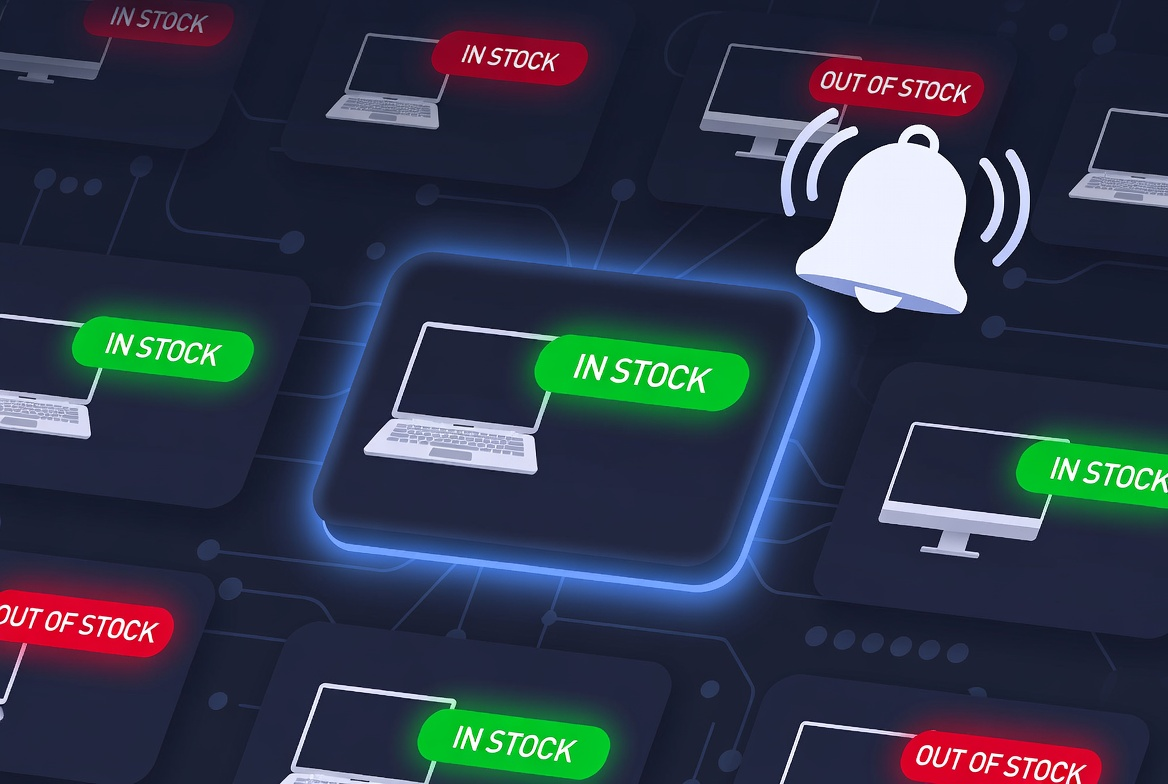
A mid-sized electronics retailer needed to know - in real time - when competitors went out of stock, and act on it before shoppers moved on. Let's Scrape built an automated stock monitoring system that checked 400 products across 5 competitor websites multiple times per day, validated every stockout signal to eliminate false alerts, and pushed Slack notifications within minutes of a confirmed change. The client used those alerts to feature scarce products on the homepage, boost Google Shopping bids, and push availability-focused emails - all on the same day the opportunity appeared. The result: a 20–30% sales uplift on targeted products during stockout windows, translating to tens of thousands of euros in additional revenue per quarter. The system also revealed four repeatable market patterns - including pre-peak supply gaps before Black Friday - turning operational monitoring into a strategic intelligence layer.
Key Takeaways
- 20–30% sales uplift on targeted products on days when the team acted on automated stockout alerts.
- Tens of thousands of euros in additional quarterly revenue - generated by better timing, not lower prices.
- 400 products across 5 competitor websites monitored multiple times per day with a fully automated pipeline.
- Proof of concept delivered in 48–72 hours before scaling to full rollout.
- Availability beats price as a growth trigger - being the only retailer with stock is more powerful than being the cheapest.
- Stockouts are predictable and cluster. When one competitor goes out of stock, others often follow within 48 hours due to shared supply-chain constraints.
- Weekend gaps are the most profitable windows. Competitors react slowly on weekends, extending the opportunity.
- Pre-peak shortages signal demand early. Black Friday stock gaps appeared before the event, giving the client time to prepare campaigns and inventory.
- Reliability beats sophistication. The winning system wasn't the most complex - it was the one that checked pages consistently and sent trustworthy alerts.
- Automation alone isn't enough. The system worked because the client had merchandising, ads, and procurement teams ready to act within minutes.
We love projects that shift how a business thinks. This was one of those. A mid-sized electronics retailer came to us with a simple question: can we tell when competitors go out of stock, fast enough for them to capitalize on it? The answer was yes-but the interesting part was what happened next.
This case study is about building a real-time stock monitoring system for e-commerce. Not a generic dashboard, not a research report, but something operational-something that changed what their team did every day once the alerts started landing. It ended up generating a very measurable sales increase, and it taught us a lot about how timing matters just as much as pricing in online retail.
At the time, the client's focus had been mostly on price monitoring. That's the standard playbook in retail, right? Match competitor prices, stay visible, maybe react to promotions. But what they were missing was availability. You don't need to be the cheapest if you're the only one with stock.
And yes, we know "stock monitoring" sounds almost too simple. But that simplicity is deceptive. Monitoring competitor availability across hundreds of SKUs, several times a day, without false alarms, while competitors keep changing their site structures? That's not trivial. It turns out it's one of the more interesting forms of web scraping we've done at Let's Scrape. It wasn't about prices this time. It was about availability, timing, and moving fast when opportunities appeared.
E-Commerce Electronics Retailer: The Competitor Inventory Monitoring Challenge

The client was a mid-sized online electronics retailer in a competitive niche. Their core challenge was not pricing or assortment, but timing: they needed a reliable way to spot when competitors ran out of stock and react before shoppers moved on.
In electronics e-commerce, margins are thin and demand moves quickly. When a rival goes out of stock, the retailers that stay visible can capture extra conversions, protect revenue, and in some categories even gain temporary market share.
The client had already noticed reactive spikes in analytics. Certain products sold better when competing stores were unavailable, but they only understood that pattern weeks later. They needed a real-time system, not a retrospective report.
That requirement made this a natural fit for web scraping infrastructure, automated checks, and operational alerts that a marketing team could act on immediately.
The Problem: Real-Time Competitor Stock Visibility at Scale

Competitor stock monitoring at scale means checking hundreds of product pages several times per day, normalizing inconsistent availability signals, and turning those signals into automated alerts fast enough for a team to react.
- Scale - the client wanted 400 products across five competitor websites monitored multiple times per day.
- Speed - the marketing team needed alerts quickly enough to update banners, campaigns, and product visibility in minutes.
- Parsing complexity - stock states appeared as labels, disabled buttons, delivery estimates, or JavaScript data rather than a clean API field.
- Change tolerance - competitor layouts changed frequently, so the monitoring logic had to survive redesigns and odd edge cases.
This was not a weekly spreadsheet project. It was a real-time decision system designed to collapse the time between competitor stockouts and commercial action.
Building a Real-Time Inventory Tracking System: Architecture & Tech Stack
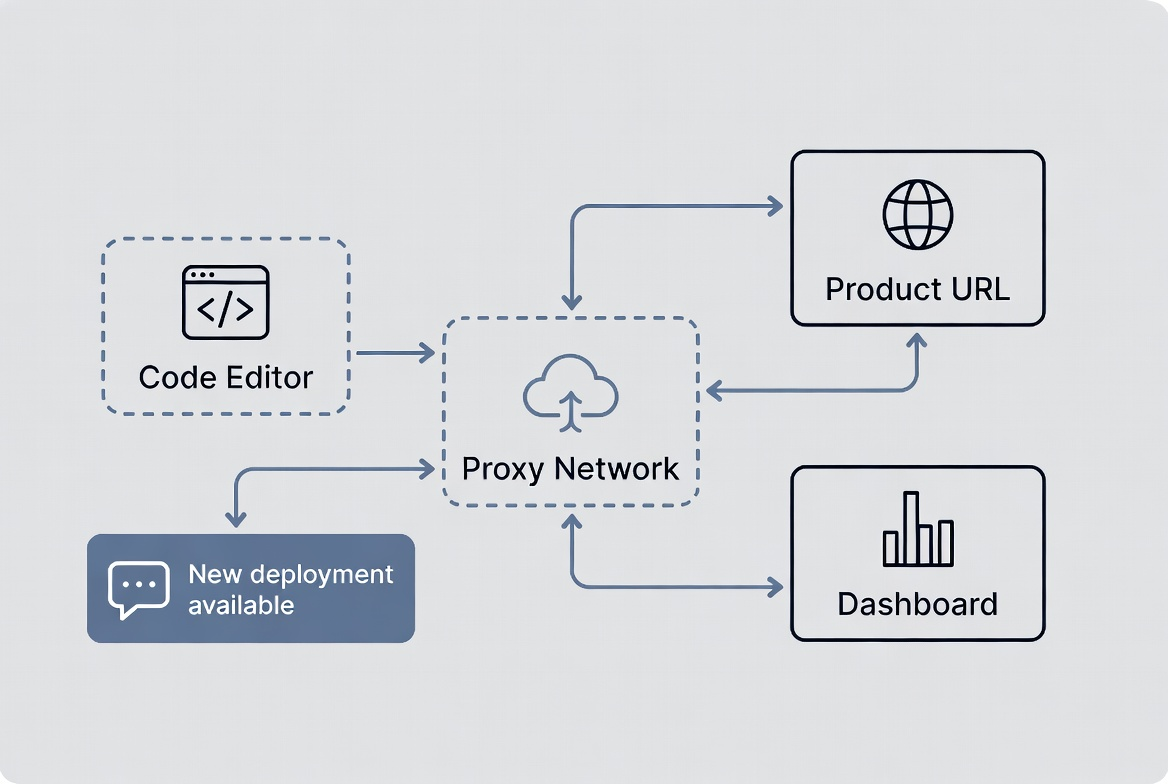
Our stock monitoring system automatically checked competitor product pages multiple times per day, detected availability changes, validated suspicious events, and sent automated inventory alerts in real time so the client could act while the opportunity still existed.
We started with a proof of concept covering one competitor and 50 products. The goal was to prove value in 48–72 hours before scaling to a broader rollout.
Technical Stack
- Python scraper - powered by our web scraping infrastructure with rotating proxies to reduce blocking risk.
- Custom parsing logic - handled “Out of Stock”, disabled buttons, structured data, JSON blocks, and delivery hints.
- Double-check validation - confirmed stockouts after a five-minute delay before sending alerts.
- Anomaly detection - filtered mass false alerts caused by sitewide glitches or caching issues.
- Automated inventory alerts - delivered Slack notifications for high-priority products and categories.
- Color-coded dashboard - showed competitor status at a glance for commercial teams.
At full scope, the system monitored 400 products across five competitor websites and gave the client a practical operating layer for reacting to stockouts instead of just reporting on them later.
Web Scraping Challenges: Bot Detection, False Alerts & Site Layout Changes

The hardest part was not collecting HTML. It was making the monitoring reliable enough for teams to trust in production.
Bot detection was the first challenge. Some competitors throttled requests aggressively, so proxy rotation, pacing, and resilient retry logic mattered from day one.
False alerts were the second challenge. A single cached page or temporary error could look like a stockout, which is why validation and anomaly detection were built into the workflow.
Site layout changes were the third challenge. Availability indicators moved between HTML elements, JavaScript data, and different labels, so parser maintenance was part of the operating model rather than an exception.
These edge cases did not invalidate the system. They clarified the difference between a demo scraper and a monitoring system that can support real commercial decisions.
Competitor Stock Monitoring Insights: 4 Key Patterns in E-Commerce Data
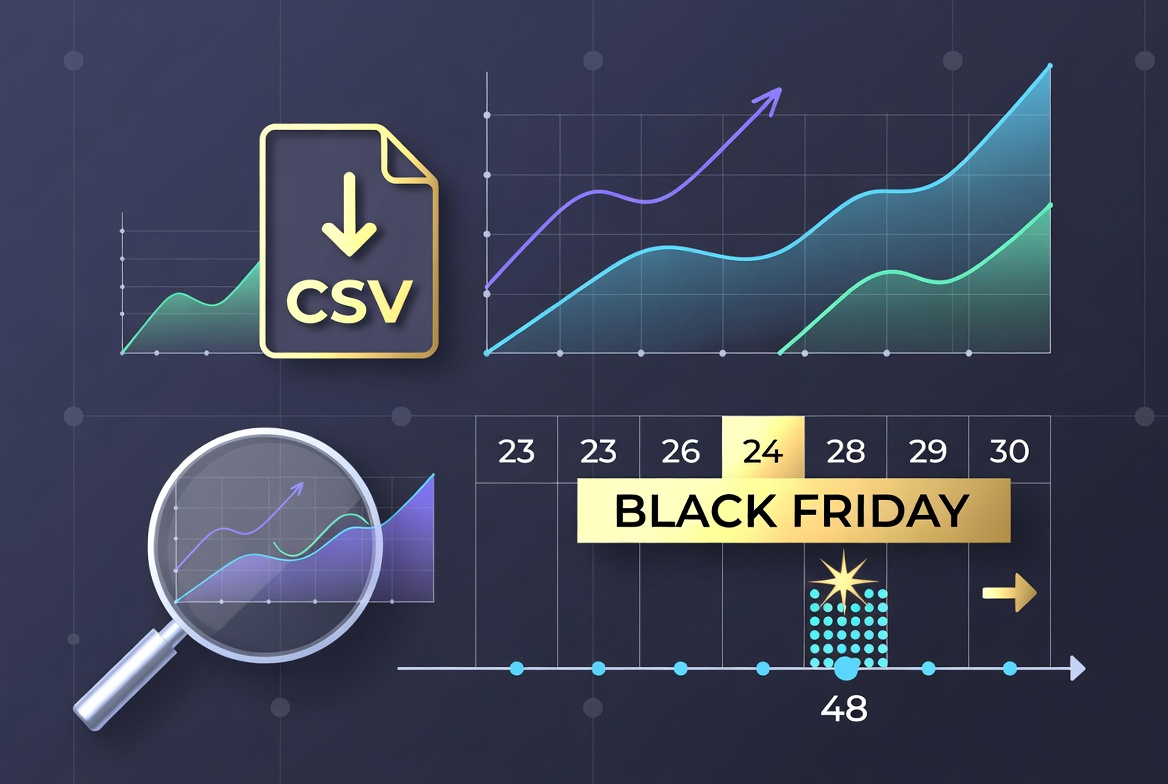
Once the system stabilized, the weekly exports became a market-intelligence layer rather than a raw logging table. The most useful insights appeared quickly and repeatedly.
4 Key Findings
- Stockouts were predictable - some competitors ran out of high-demand products earlier than others, creating repeatable opportunities.
- Stockouts clustered - when one competitor lost availability, others often followed within 48 hours because they shared supply-chain constraints.
- Weekend gaps were high value - competitors often reacted slowly on weekends, which made stockout windows more profitable.
- Pre-peak shortages signaled demand - Black Friday stock gaps appeared before the event itself, helping the client prepare campaigns and inventory earlier.
This changed how the client interpreted availability data. It was no longer just operational monitoring; it became an input for inventory management, campaign timing, and channel prioritization.
Results: 20–30% Sales Uplift from Automated Stockout Alerts
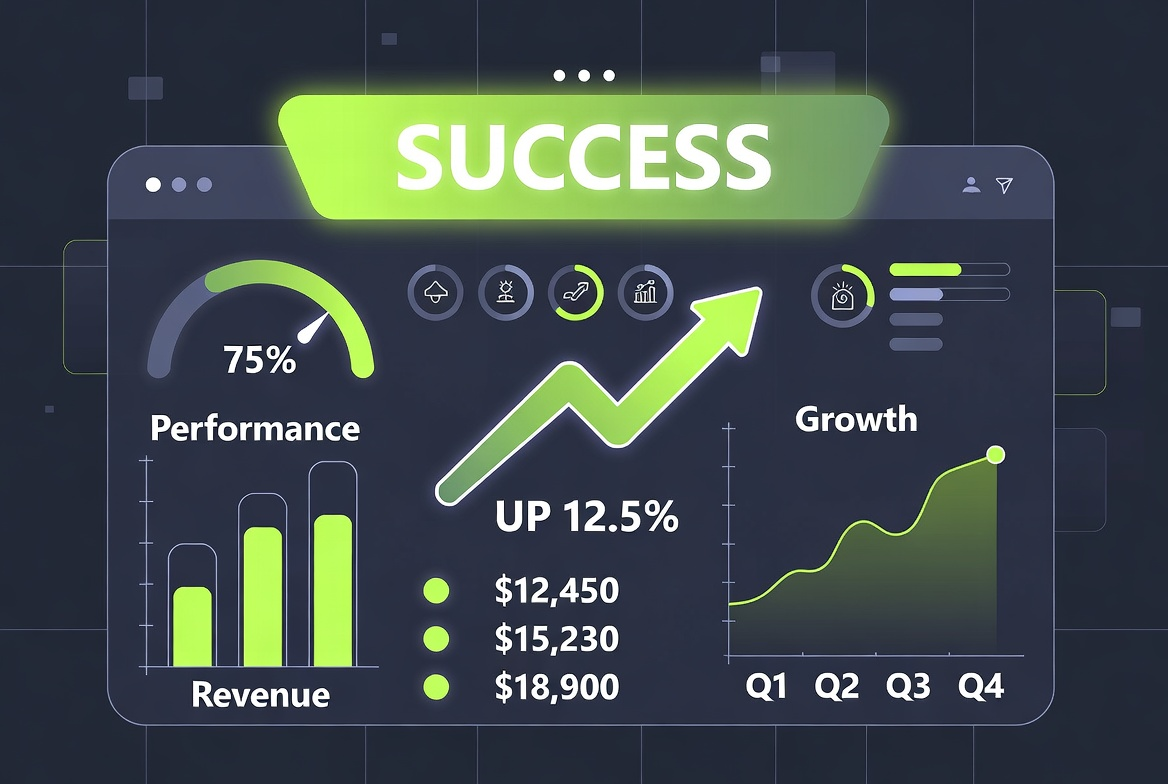
The client turned alerts into action by featuring newly scarce products on the homepage, highlighting availability in email, and increasing visibility in Google Shopping when competitors were unavailable.
The measurable outcome was a 20–30% uplift in sales for selected products on days when the team acted on stock alerts. Over a quarter, that translated into tens of thousands of euros in additional revenue created by better timing rather than lower pricing.
The data also supported strategic decisions. If competitors repeatedly ran out of a category, the client treated that as a demand signal and an opportunity to increase market share with stronger inventory coverage.
Marketing spend improved too. Instead of promoting products all the time, the team increased budgets when scarcity appeared and when demand could be captured with less friction.
The real advantage was operational speed. Alerts, decisions, and on-site changes happened fast enough to influence outcomes on the same day.
Key Takeaways: When Automation and Speed Beat Price Monitoring

This project showed that availability can outperform price as a growth trigger. Many teams obsess over price monitoring, but a well-timed stockout response can create an even stronger commercial opening.
It also showed that automation is valuable because it compresses the path from signal to action. By the time a human checks competitor pages manually, the best opportunity may already be gone.
From a technical perspective, reliability beat sophistication. The winning system was not the fanciest one; it was the one that checked pages consistently, handled edge cases, and triggered trustworthy alerts.
The project also worked because the client had the operating discipline to use the data. Automated inventory alerts are only valuable when merchandising, ads, and procurement teams are ready to respond.
Is Your E-Commerce Business Missing Competitor Stockout Opportunities?

Most e-commerce teams watch their own inventory closely but miss what competitor availability reveals about the market. Public stock signals can expose unmet demand, weak coverage, and short windows where faster execution wins.
That is where automation, inventory management discipline, and supply chain visibility come together. The value is not in collecting one more spreadsheet. The value is in seeing a change early enough to do something useful with it.
For businesses that can act quickly, competitor stock monitoring becomes a practical source of market intelligence, not just an engineering exercise.
We have seen the same pattern in other categories too: public web data often reveals commercial opportunities long before they appear in quarterly reports or retrospective dashboards.
How to Set Up a Competitor Stock Monitoring System
Setting up automated stock monitoring for competitors typically takes 48–72 hours for a proof of concept. Here is the process we use.
- Step 1: Define scope - list the competitor URLs and product pages to monitor. For a rollout like this, build a spreadsheet for 400 products across 5 competitors. Time: 1–2 hours
- Step 2: Build the scraper - create parsing logic for each site and define how stock states are detected. Time: 24–48 hours
- Step 3: Add validation layers - introduce delayed rechecks and anomaly detection so temporary glitches do not become false alerts. Time: 8–16 hours
- Step 4: Set up alerts - configure Slack or email notifications with priorities for the most valuable products. Time: 4 hours
- Step 5: Monitor and iterate - review false positives during week one and update parsing logic as competitor sites evolve. Time: ongoing
FAQ
1. How does competitor stock monitoring actually work?
Competitor stock monitoring is an automated process that checks competitor product pages multiple times per day, extracts availability signals, compares them to prior states, and triggers alerts when stock changes.
2. Is it legal to scrape competitor websites for stock information?
Public stock monitoring can be done ethically when it relies on publicly visible information, respects sensible request rates, and does not bypass logins or security controls.
3. How quickly can a stock monitoring system be set up?
A proof of concept can usually be delivered in 48–72 hours, while a broader deployment for multiple sites and product groups often takes 2–4 weeks.
4. What happens if a competitor changes their website design?
Website redesigns require parser updates, maintenance, and anomaly monitoring so the system can adapt before alert quality drops.
5. How much does competitor stock monitoring cost?
Monitoring cost depends on scope, frequency, number of competitors, and site complexity, so pricing should be matched to the number of products and the operational value of the alerts.
6. Can this work for industries outside of electronics?
Competitor stock monitoring works in any category where public availability affects demand, including fashion, home goods, beauty, toys, and automotive parts.
7. What if competitors use JavaScript to load availability information?
JavaScript-rendered availability can still be monitored by using browser automation or headless browsers that render the page before extraction.
8. How do you prevent false alerts from temporary website glitches?
False-alert prevention depends on delayed rechecks, anomaly detection, and logic that separates genuine stockouts from sitewide technical issues.
9. Can the system track more than just in-stock vs. out-of-stock?
Advanced monitoring can also capture low-stock signals, delivery windows, pre-order states, and regional availability when competitors expose those details publicly.
10. What's the best way to act on stock monitoring alerts?
The best response is a fast operating workflow with clear ownership, pre-approved actions, and the ability to update merchandising or ad spend within minutes.